
Tree Removal and Stump Grinding in Colchester
Whether it is a dying tree, one that has outgrown the garden or a stump that has sat in the lawn for years, send a photo for a quick provisional quote. You will know how the tree will come down, what happens to the wood and whether the stump is ground out before any work is booked.
- NPTC-qualified and insured
- Free written quotes
- TPO and conservation applications handled free
- 5-star Google rated
- Open 7 days, 8am to 6pm
- Emergencies: call to check availability
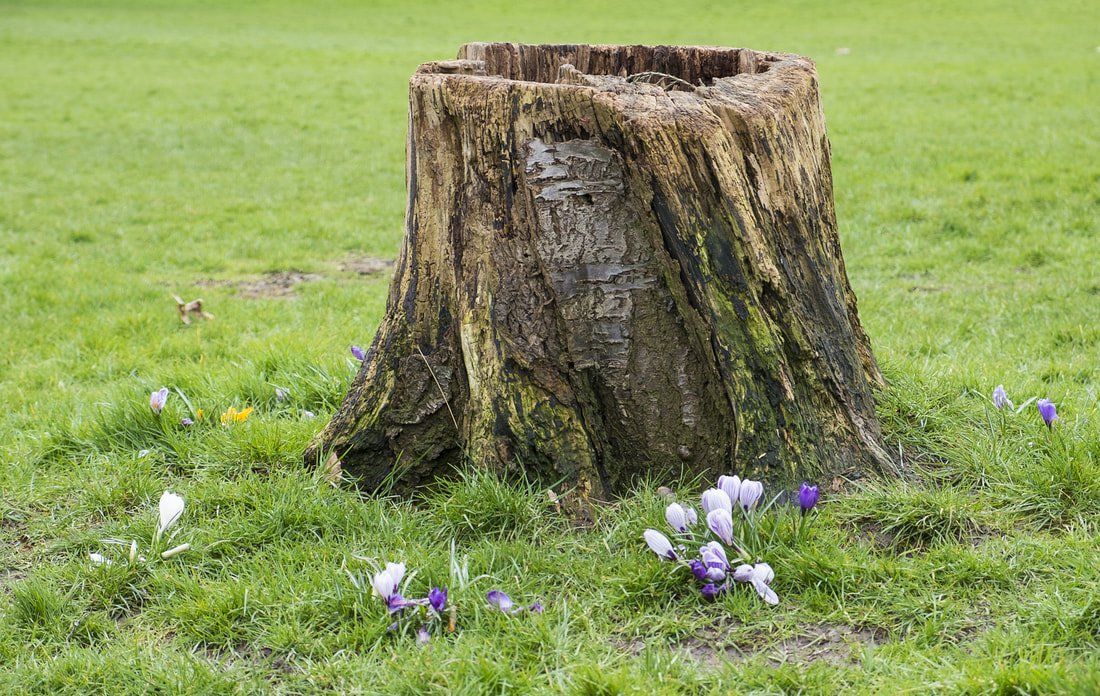
Taking Trees Down Safely
How a tree comes down depends on its size, its condition and what it could hit. Most garden removals follow one of these routes.
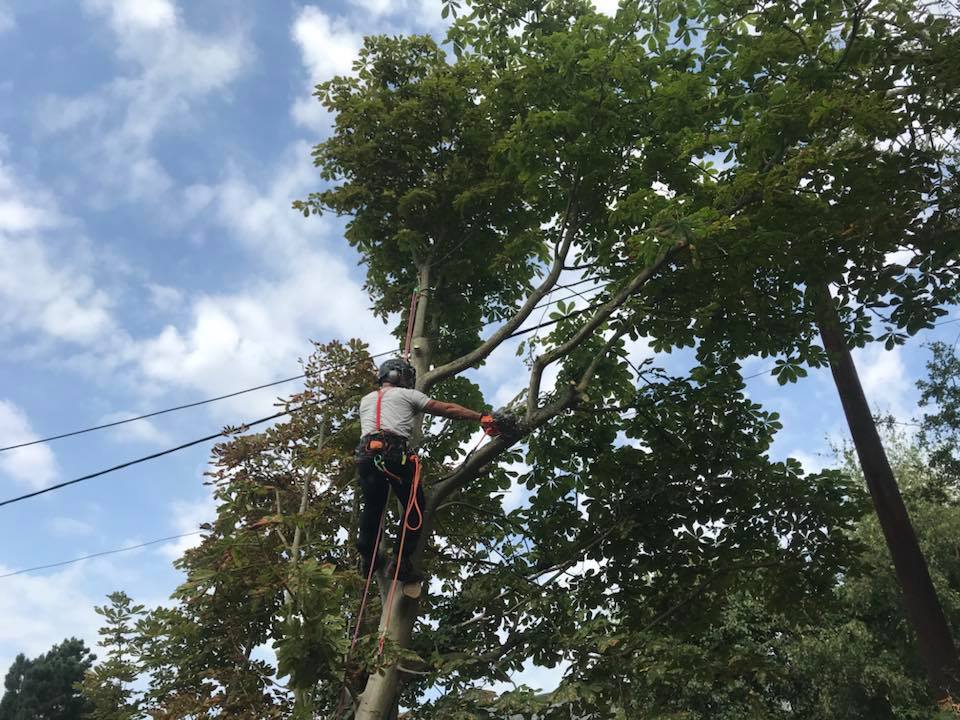
Where there is no room to fell a tree whole, it is climbed and taken down piece by piece, with heavier sections roped and lowered clear of roofs, fences and cables.
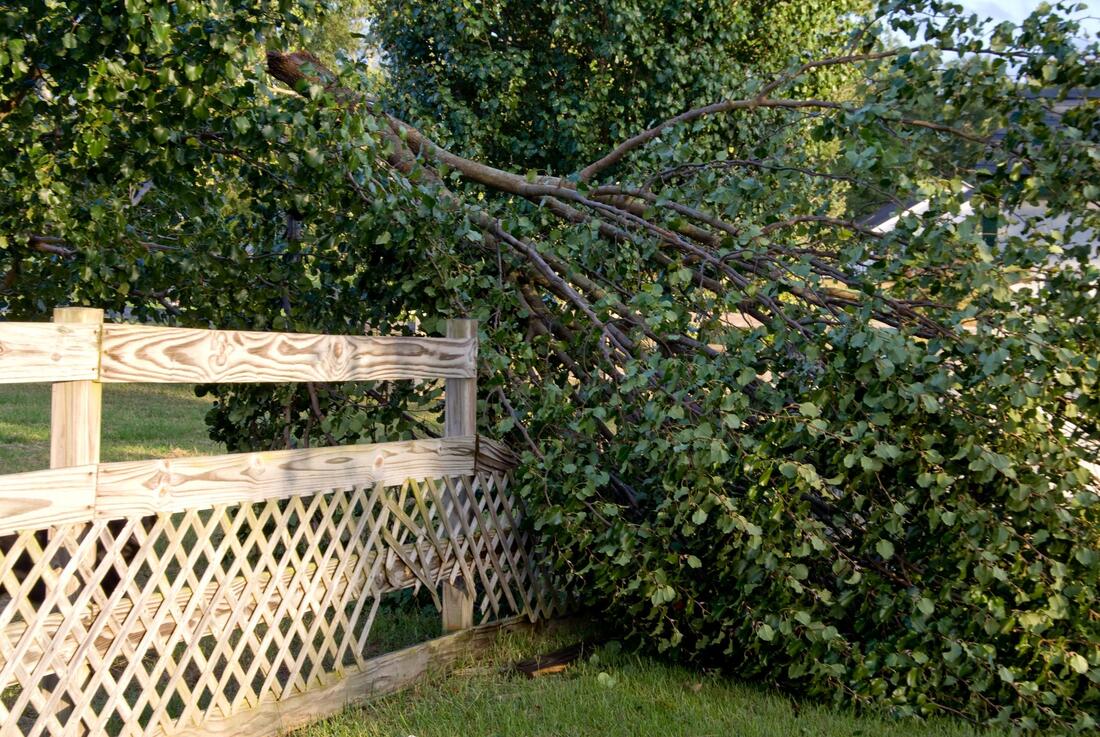
Split trunks, snapped limbs and trees that have started to lean need dealing with before the next wind does the job for you. Emergency tree service
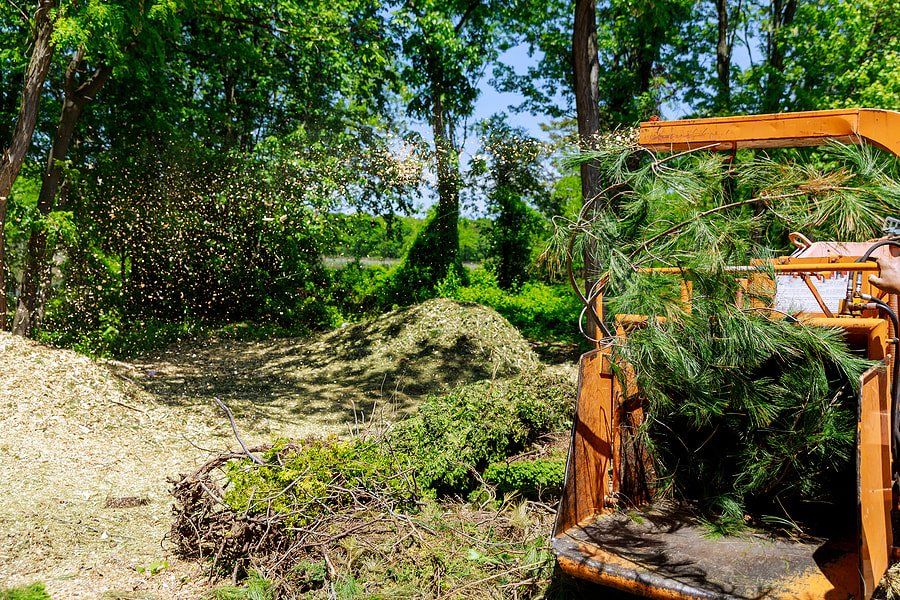
Branches are chipped on site and the timber cut into manageable lengths, so the garden is not left under a pile of brash. Wood chipper and operator
Tree and Stump Removal Services
From a single conifer by the back fence to clearing several trees ahead of an extension or new driveway.
Sectional Dismantling
Trees close to houses, garages, greenhouses or cables are taken down in controlled sections, with heavy pieces lowered on ropes rather than dropped.
Straight Felling
Where there is a clear, safe drop zone, a tree can be felled in one piece, which is usually quicker and cheaper than dismantling.
Stump Grinding
Stumps ground out below ground level so the space can be turfed, replanted or built on, with the chippings raked out or left as mulch.
Dead and Dangerous Trees
Dead, split, leaning or storm-damaged trees dealt with as a priority. For fallen trees, see our emergency tree service.
Does the Tree Need to Come Down?
Removal is final, so it is worth being sure. Plenty of trees that feel too big, too dark or too close can be kept with the right pruning. A crown reduction brings down height and spread, crown lifting clears low branches over a drive or lawn, and thinning lets more light through. If any of those would solve the problem, tree pruning in Colchester is usually the cheaper option.
Removal makes sense when a tree is dead or dying, structurally unsound, causing proven damage to a building or drain, or simply in the wrong place for how the garden is now used.
Trees Close to Buildings
Much of north Essex sits on clay soils that shrink as they dry and swell when wet. A large, established tree near a house takes up a lot of water, and removing it suddenly can allow the ground to swell back, known as heave, which can move foundations. If a big tree is within a few metres of a building, or subsidence has already been raised, get advice from a structural engineer or your buildings insurer before anything is felled.
This is general information rather than structural or legal advice. Where a tree is linked to an insurance claim, do not remove it until the insurer has agreed.
Permissions Before Felling
Most garden trees can be removed without asking anyone, but three things are worth checking first.
Tree Preservation Orders
If a tree has a TPO, you generally need consent from Colchester City Council before felling it. Dead trees and those presenting an immediate danger are limited exceptions, but written notice is still normally expected, usually five working days beforehand unless the danger is urgent.
Conservation Areas
For trees in a conservation area with a trunk of 75mm or more in diameter at 1.5 metres above ground, you normally need to give the council six weeks' notice before removal.
Felling Licences
Trees in private gardens are exempt. On larger properties, though, felling more than five cubic metres of timber in a calendar quarter from woodland, paddocks or field boundaries generally needs a licence from the Forestry Commission, subject to a number of exemptions.
If consent or notice is needed from Colchester City Council, we can make the application for you, free of charge, as part of the quote.
Removal also has to fit around nesting birds. Active nests are protected under the Wildlife and Countryside Act 1981, so trees are checked before work during the spring and summer nesting season.
A general summary, not legal advice. Check with Colchester City Council or the Forestry Commission if you are unsure what applies to your tree.
Stump Grinding in Colchester
Once a tree is felled, the stump is left behind. It gets in the way of mowing, can trip people up, and in some cases sends up new shoots. There are three realistic options.
Grinding. A stump grinder cuts the stump away with a rotating toothed wheel, typically to 150mm to 300mm below ground level. The chippings can be raked out and replaced with topsoil, then turfed or planted. The larger roots are left to rot down naturally. For most gardens this is the best balance of cost, speed and disruption.
Digging out. Excavating the stump and main roots is sometimes needed where foundations, a patio base or a new wall are going in. It disturbs a much wider area and costs more.
Chemical treatment. Stump killers involve drilling holes and filling them with a treatment, then waiting a long time for the wood to rot. It is slow, the stump stays in place for months or years, and the surrounding soil may be unsuitable for planting in the meantime.
Before any grinding, the area around the stump is checked for buried cables, pipes and drains, which often run closer to garden trees than people expect.
What Affects the Cost of Tree Removal
How it comes down. Straight felling with a clear drop zone is the quickest route. Dismantling in sections over a roof or conservatory takes longer and needs more people on site.
Getting the timber out. If a back garden has no side access, every log and branch has to go through the house or over a boundary. Narrow gates can also limit which stump grinder fits.
Waste and wood. Taking everything away costs more than leaving logs stacked for a wood burner or chippings for the borders.
The stump. Grinding is usually priced separately and depends on the stump's diameter and access.
Send photos of the whole tree, anything close to it and the route from the road for a provisional figure, followed by a free written quote. All work is carried out by NPTC-qualified, insured tree surgeons.
Need a Tree or Stump Removed?
Upload a photo through our quote form any time, or call between 8am and 6pm, seven days a week.
Tree Removal Questions
Common questions before booking a tree or stump removal in Colchester.
Do I need permission to remove a tree in Colchester?
Only if the tree is protected or large volumes of timber are involved. Tree Preservation Order trees need consent from Colchester City Council, and conservation area trees normally need six weeks' notice, which we can apply for free of charge. Felling larger volumes outside gardens can need a Forestry Commission licence.
Can I remove a dead tree that has a Tree Preservation Order?
Dead trees are one of the limited exceptions to needing full consent, but you should still give the council written notice, normally at least five working days before the work, unless the tree is an immediate danger. Keep photos as evidence, and check with the council if unsure.
Could removing a tree near my house cause problems?
It can. On shrinkable clay soils, a large established tree draws moisture from the ground, and removing it can let the soil swell, known as heave. For big trees close to a building, speak to a structural engineer or your insurer before felling, especially if subsidence has been mentioned.
How long does it take to remove a tree?
Most single garden trees are taken down and cleared within a day. Larger trees, dismantling over buildings, difficult access or several trees at once can take longer. Stump grinding is often done on the same visit. Sending photos helps give a realistic idea of time before booking.
What is the difference between stump grinding and stump removal?
Stump grinding cuts the stump away below ground level with a grinder, leaving chips and the main roots to rot down naturally. Full stump removal digs out the stump and major roots, which causes more ground disturbance and costs more. Grinding suits most gardens being turfed or replanted.
How deep does stump grinding go?
Stumps are usually ground to somewhere between 150mm and 300mm below ground level, which is enough for turf, topsoil or a new planting bed. Deeper grinding is possible where a path or patio is going in. Buried services near the stump need identifying before any grinding starts.
Will the tree grow back after stump grinding?
Most trees will not regrow once the stump is ground below ground level. Some species, including poplar, willow, cherry and sumach, can send up suckers from roots left in the soil. These are easily cut or mown off and usually weaken and stop within a season or two.
Do I need a felling licence to remove trees?
Trees in private gardens are exempt from felling licences. A licence from the Forestry Commission is generally needed to fell more than five cubic metres of timber in a calendar quarter elsewhere, such as woodland, paddocks or field boundaries. Several exemptions apply, so check before clearing larger areas.