
Tree Surgeon in Clacton-on-Sea
Tree surgery across Clacton, Holland-on-Sea, Jaywick and St Osyth, from coastal gardens where the salt wind has taken its toll to overgrown conifer screens around bungalows. Send a photo for a quick provisional quote, or call to talk the job through.
- NPTC-qualified and insured
- Free written quotes
- TPO and conservation applications handled free
- 5-star Google rated
- Open 7 days, 8am to 6pm
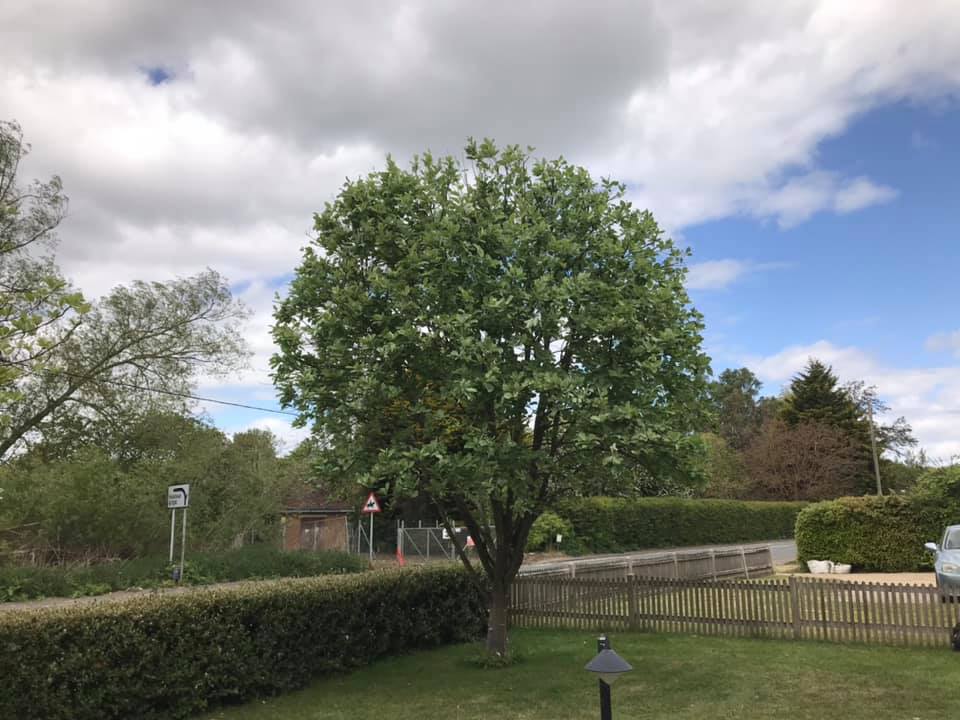
Coastal Gardens, Coastal Problems
Trees a few miles from the North Sea live a harder life than trees inland, and the work they need reflects it.
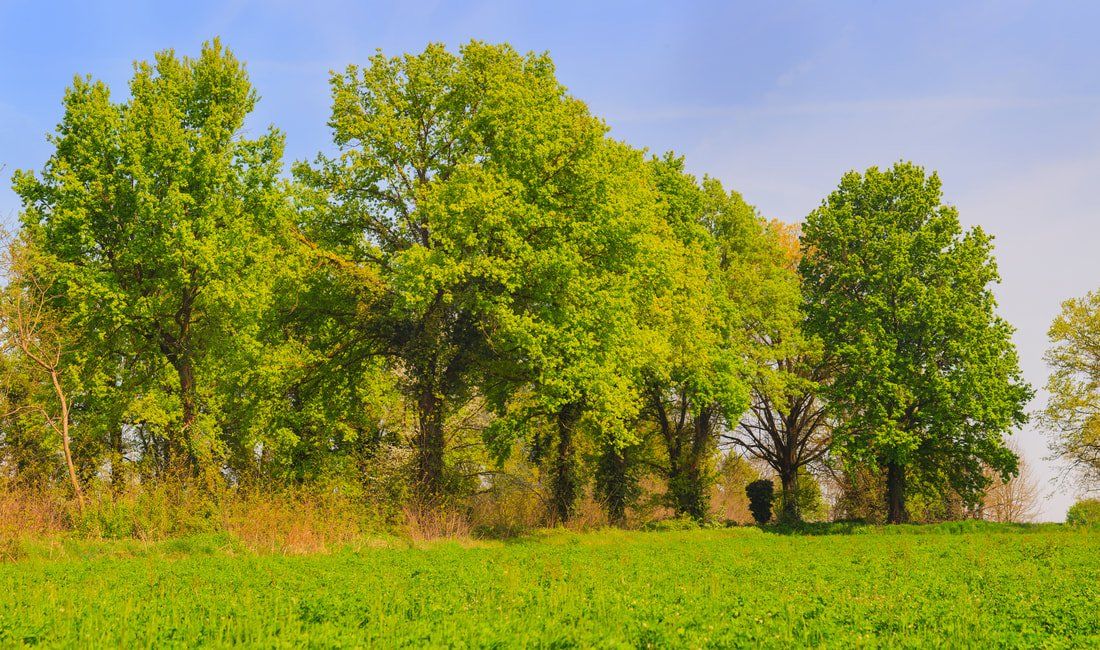
Exposure to easterly winds off the sea leaves crowns lopsided and thin on the seaward side, with dieback at the tips after a hard winter.
Shelter belts and leylandii screens planted around bungalows decades ago now tower over single-storey gardens and are often better reduced or removed.
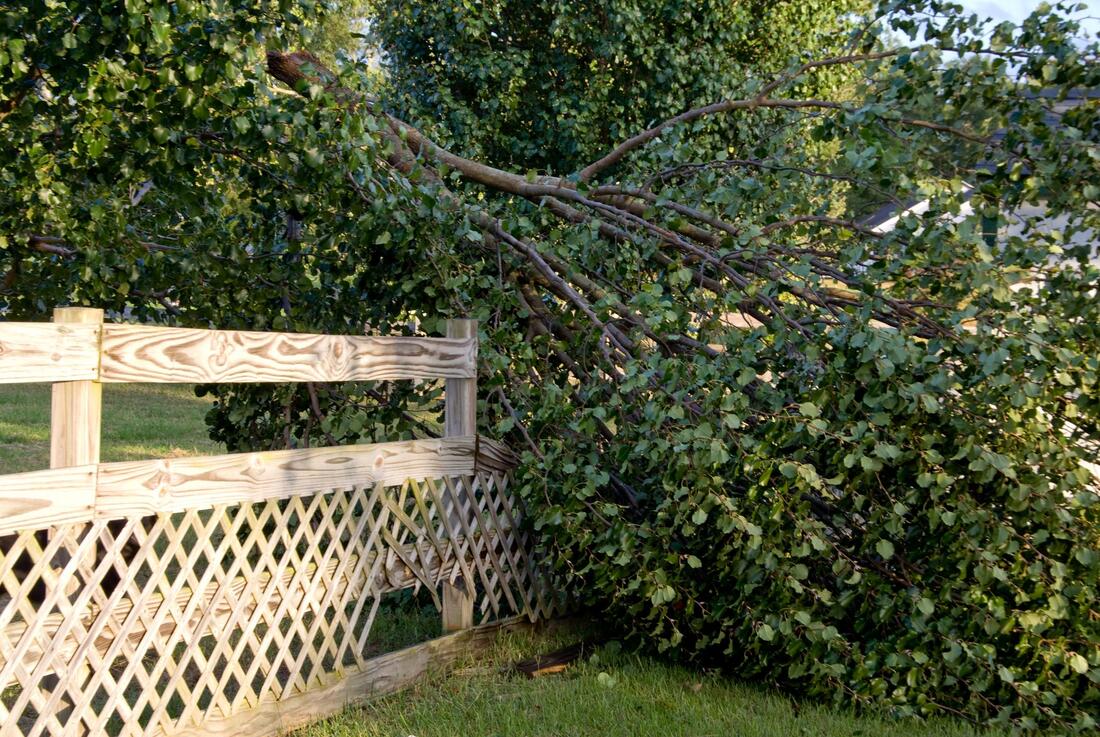
Coastal gales bring down limbs and whole trees, particularly ones that have grown tall and one-sided in sheltered pockets. Emergency tree service
Tree Services in Clacton-on-Sea
Every service below is carried out in Clacton-on-Sea and the surrounding villages by NPTC-qualified, insured tree surgeons.
Tree Pruning
Crown reduction, thinning, lifting and deadwooding to bring a tree back to a manageable size.
Tree pruningTree Removal
Felling and sectional dismantling where a tree is dead, dangerous or simply in the wrong place.
Tree removalStump Grinding
Stumps ground out below ground level so the space can be turfed, planted or built on.
Tree and stump removalPollarding
Re-cutting established pollards and starting new ones on suitable young trees.
PollardingEmergency Tree Work
Fallen trees, split limbs and storm damage, with call-outs between 8am and 6pm, seven days.
Emergency tree serviceHedge Cutting
Hedge trimming, conifer and leylandii reduction, hedge removal and overgrown clearance.
Hedge cuttingWood Chipping
Chipper and operator to clear brash on site, with chips left as mulch or taken away.
Wood chipper and operatorTree Health Checks
A practical look at a tree's condition, from dieback and decay to root movement after storms.
Tree health inspectionsWhat Tree Work in Clacton Usually Involves
Clacton-on-Sea sits right on the exposed Essex coast, and that shapes almost every tree job in the town.
Salt Wind and Exposure
Gardens within a mile or so of the seafront take the full force of easterly winds carrying salt spray. Trees respond by growing away from the wind, thinning on the seaward side and dying back at the branch tips. Species that cope well, such as holm oak, pine, hawthorn and sycamore, are common for a reason. The work is usually reduction and deadwooding to keep a lopsided crown balanced and stable, rather than trying to make the tree grow evenly.
Bungalow Gardens and Overgrown Screens
Large parts of Clacton, Holland-on-Sea and Jaywick are single-storey housing built between the 1930s and 1970s, often with conifer shelter belts or leylandii screens planted for privacy and wind protection. Thirty years on, those screens tower over the bungalows they were meant to shelter, and a hedge that would be unremarkable beside a two-storey house takes the light from an entire plot. Reduction, or removal and replanting with something smaller, is one of the most common jobs in the town.
Longer Tenure and Probate Work
Clacton has a notably older population than most of Essex, and properties are often held for decades. That means mature trees in gardens that have not had attention for many years, and clearance work around house sales, downsizing and probate, where everything needs sorting in one visit.
Holiday Lets and Parks
Caravan parks, holiday lets and second homes around Clacton and St Osyth need boundary hedges and overhanging branches kept in check between lettings, usually with tight windows in the changeover season.
Permissions and Waste in Clacton
Clacton is in Tendring District Council, not Colchester, which matters for anything involving a protected tree.
Tree Preservation Orders and conservation areas. Tendring District Council holds the register of protected trees for Clacton, Holland-on-Sea, Jaywick, St Osyth and the rest of the district, and handles conservation area notices. Consent is needed before pruning or felling a tree with a TPO, and trees in a conservation area normally need six weeks' notice. We make the application or notification to Tendring for you, free of charge.
Garden waste. Tendring District Council runs the kerbside garden waste service, and Essex County Council runs the household waste recycling centres. Neither is designed for the volume that comes off a single mature tree: a brown bin holds a fraction of one hedge cut, and vans and trailers usually need a permit at recycling centres. It is generally quicker and cheaper to have everything chipped on site, with the chips left for your borders or taken away.
What the council will and will not do. Councils deal with trees on their own land, and with trees blocking a public highway. Trees inside a private garden, including a neighbour's tree overhanging your fence, are a private matter.
General information, not legal advice. Check current requirements with Tendring District Council before work on a protected tree.
Areas Near Clacton-on-Sea
We work across Tendring and the coastal villages, including:
- Clacton-on-Sea
- Holland-on-Sea
- Jaywick
- Great Clacton
- St Osyth
- Frinton-on-Sea
- Walton-on-the-Naze
- Weeley
- Thorpe-le-Soken
- Brightlingsea
- Little Clacton
- Colchester
Tree Work in Clacton-on-Sea?
Upload a photo through our quote form any time, or call between 8am and 6pm, seven days a week.
Clacton-on-Sea Tree Questions
Common questions from Clacton-on-Sea customers.
Do you cover Clacton-on-Sea and the surrounding villages?
Yes. Clacton is around fifteen miles from Colchester and we work across the whole Tendring area, including Holland-on-Sea, Jaywick, Great Clacton, St Osyth and Weeley. Send photos of the tree and the access and you will get a provisional quote, followed by a free written quote.
Which council deals with protected trees in Clacton?
Tendring District Council, not Colchester City Council. Tendring holds the Tree Preservation Order register for the district and handles conservation area notices. If your tree turns out to be protected, we make the application or notification to Tendring for you, free of charge.
Why do coastal trees look one-sided?
Constant wind off the sea, carrying salt, damages buds and shoots on the exposed side, so growth pushes inland instead. The result is a lopsided crown, often with dieback at the tips. It is normal near the coast, but heavy one-sided crowns need checking for balance and stability.
My leylandii hedge is taller than my bungalow. Can it be reduced?
Usually yes. Height can be taken off conifer hedges, and the sides trimmed as far as green growth. What cannot be done is cutting back into bare brown wood, which will not regrow. Where a screen is brown throughout, removal and replanting often gives a better long-term result.
Can you clear a garden before a house sale or after a bereavement?
Yes. Clearance ahead of a sale, a downsize or the settling of an estate is common work in Clacton, where properties are often held for many years. It can usually be handled in one visit, with everything chipped on site and taken away or left as mulch.
What happens after a storm on the coast?
Call to check availability for an emergency visit between 8am and 6pm, seven days. Keep everyone clear of the tree, and if power lines are involved call 105. Fallen and split trees are made safe first, with any remaining trunk and stump dealt with on a follow-up visit.
Can you take the waste away?
Yes. Branches are chipped on site with our own chipper, and the chips can be left for your borders and paths or taken away. Larger wood is cut into logs. Leaving chips on site usually brings the price of the job down.