Tree Safety for Landlords: Your Duty of Care Explained
Tree safety for Tenants
What the Duty Actually Is
If you own or control land, you have a duty to take reasonable care that trees on it do not injure people or damage property. For a landlord that duty follows the property, not the tenancy. Handing over the keys does not hand over responsibility for a mature ash at the end of the garden.
The duty comes from ordinary negligence and from occupiers' liability, and it is tested by one question after something goes wrong: did you take reasonable steps? Not perfect steps, and not expert steps. Reasonable ones.
Landlord or Tenant?
The general position, subject to what the tenancy agreement says, is straightforward.
- Tenants are usually expected to handle routine garden upkeep: mowing, weeding, keeping a small hedge in check.
- Landlords are usually responsible for the structural safety of trees, major pruning, removals and anything needing equipment or qualifications.
Two practical consequences follow. First, a clause telling a tenant to "maintain the garden" does not make them responsible for a fifteen-metre lime. Second, if a tenant reports a problem tree and nothing happens, that report becomes evidence that the risk was known about. Written reports from tenants should be acted on and kept on file.
What Reasonable Looks Like in Practice
The National Tree Safety Group, whose guidance is widely used across the UK, sets out a proportionate approach rather than a checklist. Applied to a rented property it comes down to three things.
Look Where the Risk Is
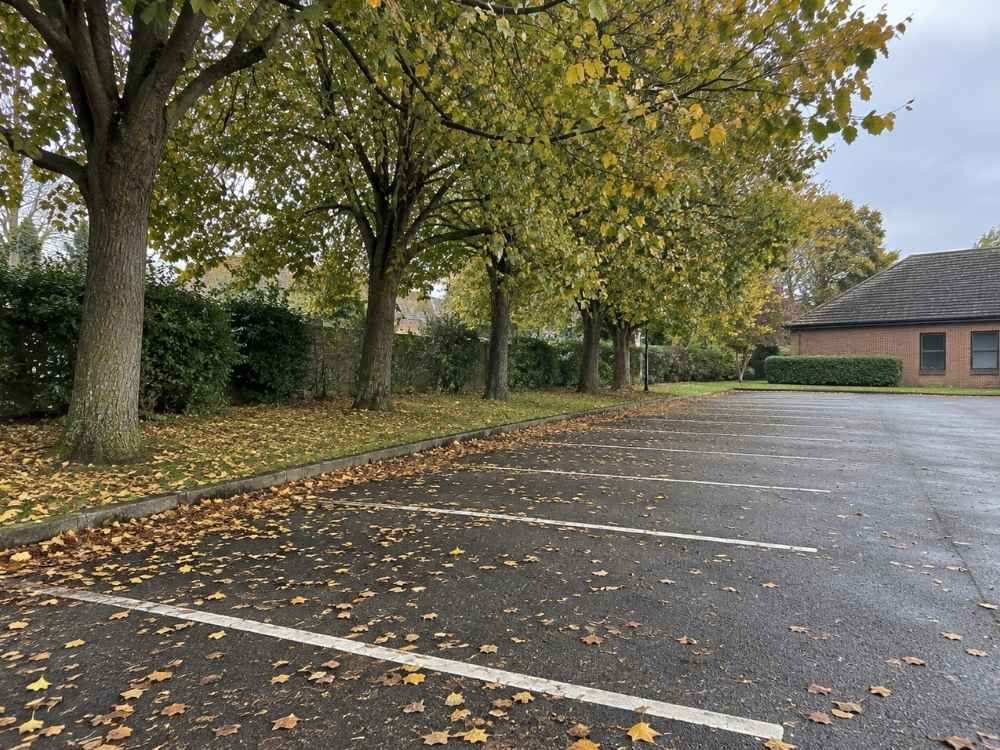
Risk is about what is underneath a tree, not the tree itself. A tree overhanging the parking area, the front path, a neighbour's conservatory or a children's play space matters far more than the same tree in the middle of a paddock. Concentrate on trees near buildings, parking, paths, boundaries and play areas.
Look at Sensible Intervals
There is no legal interval. In practice, an annual look at trees near people and property, plus a check after major storms, is a defensible position for most residential lets. Where a property has several mature trees, it makes sense to fold that into the regular inspection round.
Act on What You Find and Write It Down
This is the part that gets missed. A dated note and a few photographs, kept with the property file, are worth more than anyone's memory when an insurer or a solicitor asks what was known beforehand. If work was recommended and carried out, keep the quote and the invoice with it.
Warning Signs Worth a Second Look
- Dead branches in the crown, particularly over a path, drive or parking space.
- Fungal brackets on the trunk, at a main fork or around the base.
- Cracked or lifting soil on one side of the trunk, which suggests the root plate has moved.
- A new lean, especially after a storm. A tree that has always leaned is usually fine; one that has started to is not.
- Ash trees with thin, patchy crowns, which across Essex usually means ash dieback. Infected ash turns brittle, so it is better dealt with early.
- Heavy ivy, which hides cracks and decay and adds wind resistance in winter.
None of these means a tree must come down. They mean it is worth having a proper look at the tree's condition before the next gale.
Before You Book Any Work
Check whether the tree is protected. A Tree Preservation Order covers pruning as well as felling, and trees in a conservation area normally need six weeks' notice to the council. Doing protected work without consent can lead to prosecution, and responsibility can fall on the property owner as well as the contractor.
Check the contractor too. Ask for public liability insurance and evidence of NPTC qualifications, and get the quote in writing. If the worst happens on your property, those are the documents that matter.
This is general information rather than legal advice. Tenancy agreements and leases vary, and what yours says decides the position on your property.
Managing trees across let property in Colchester or north Essex? We work with landlords and letting agents on inspections, maintenance between tenancies and storm damage, with written quotes you can pass on for approval and council applications handled free of charge.
See commercial tree surgery in Colchester, or send photos for a provisional figure.